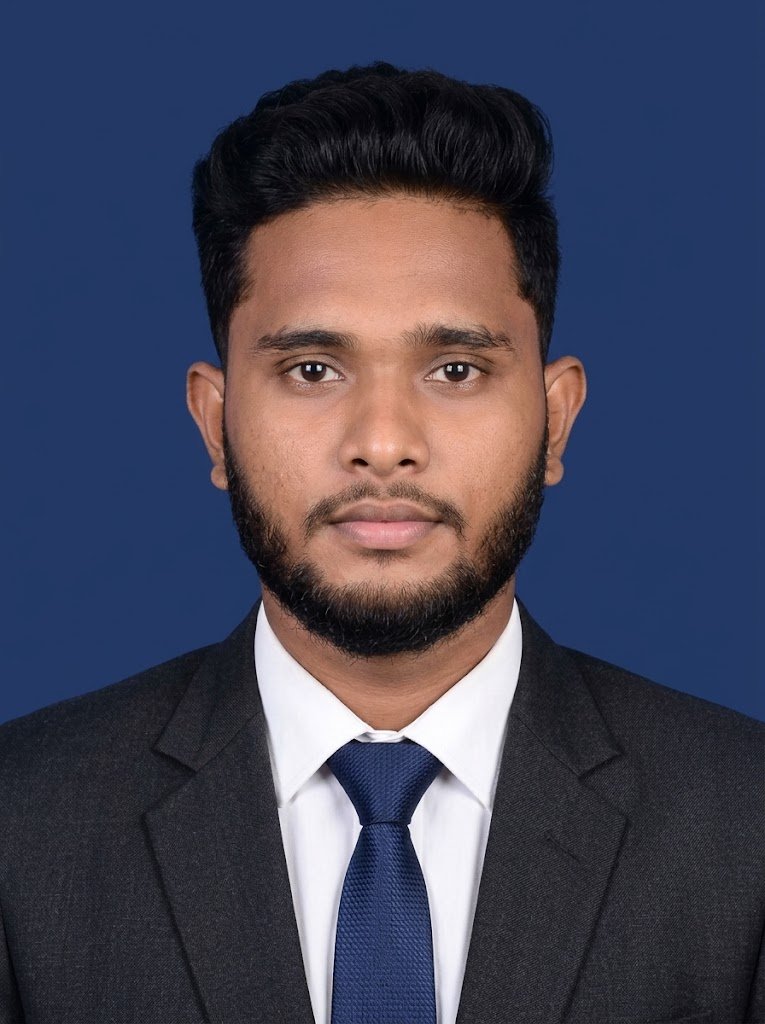
Male and Female Ocean Cliff Photography Prompt
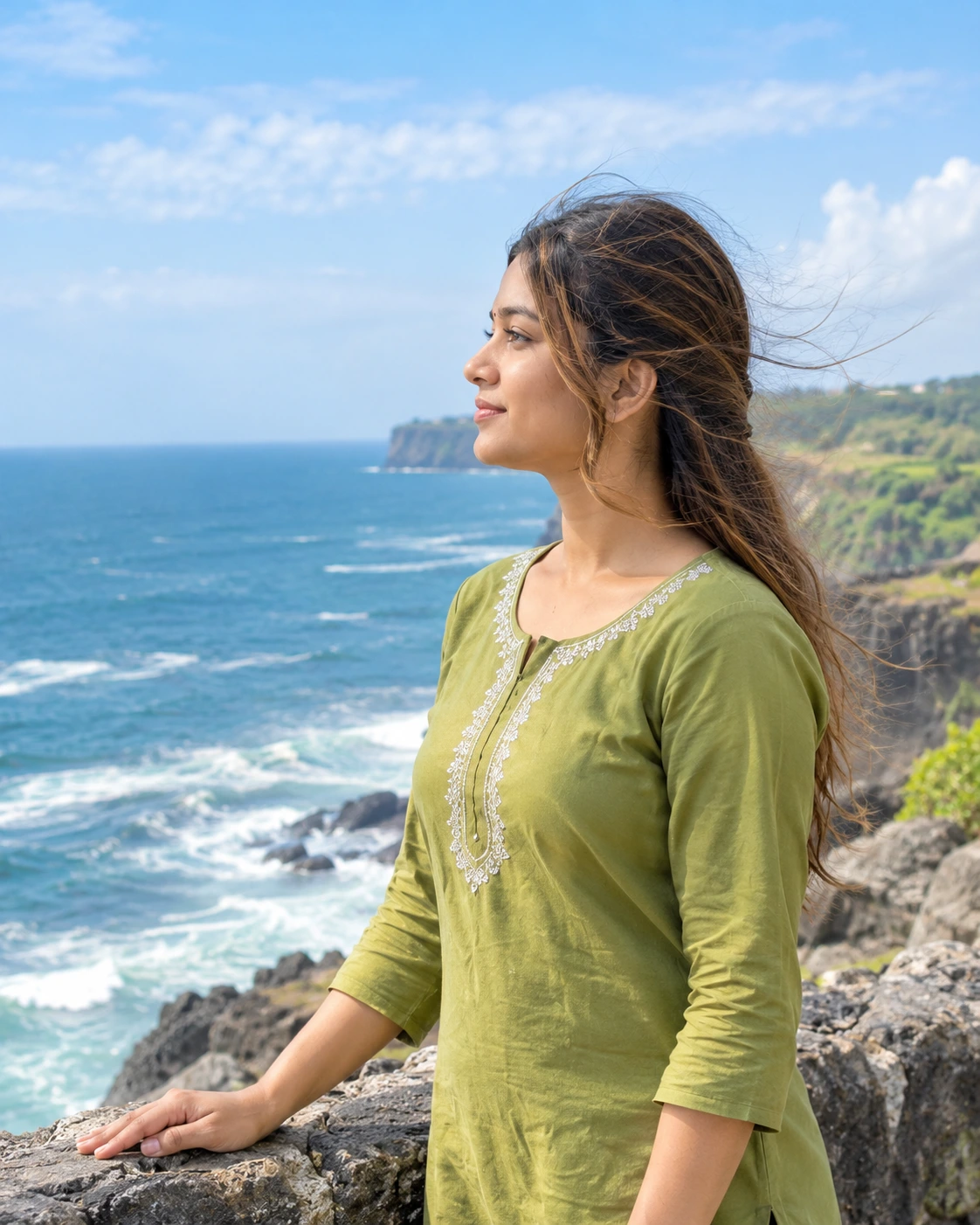
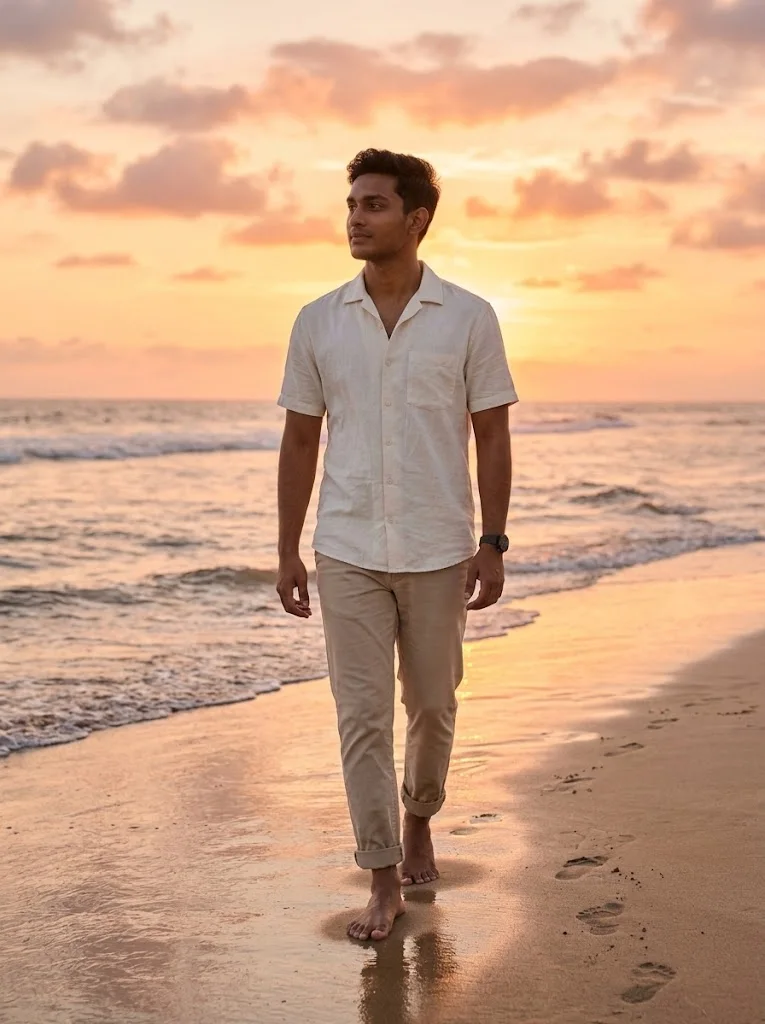
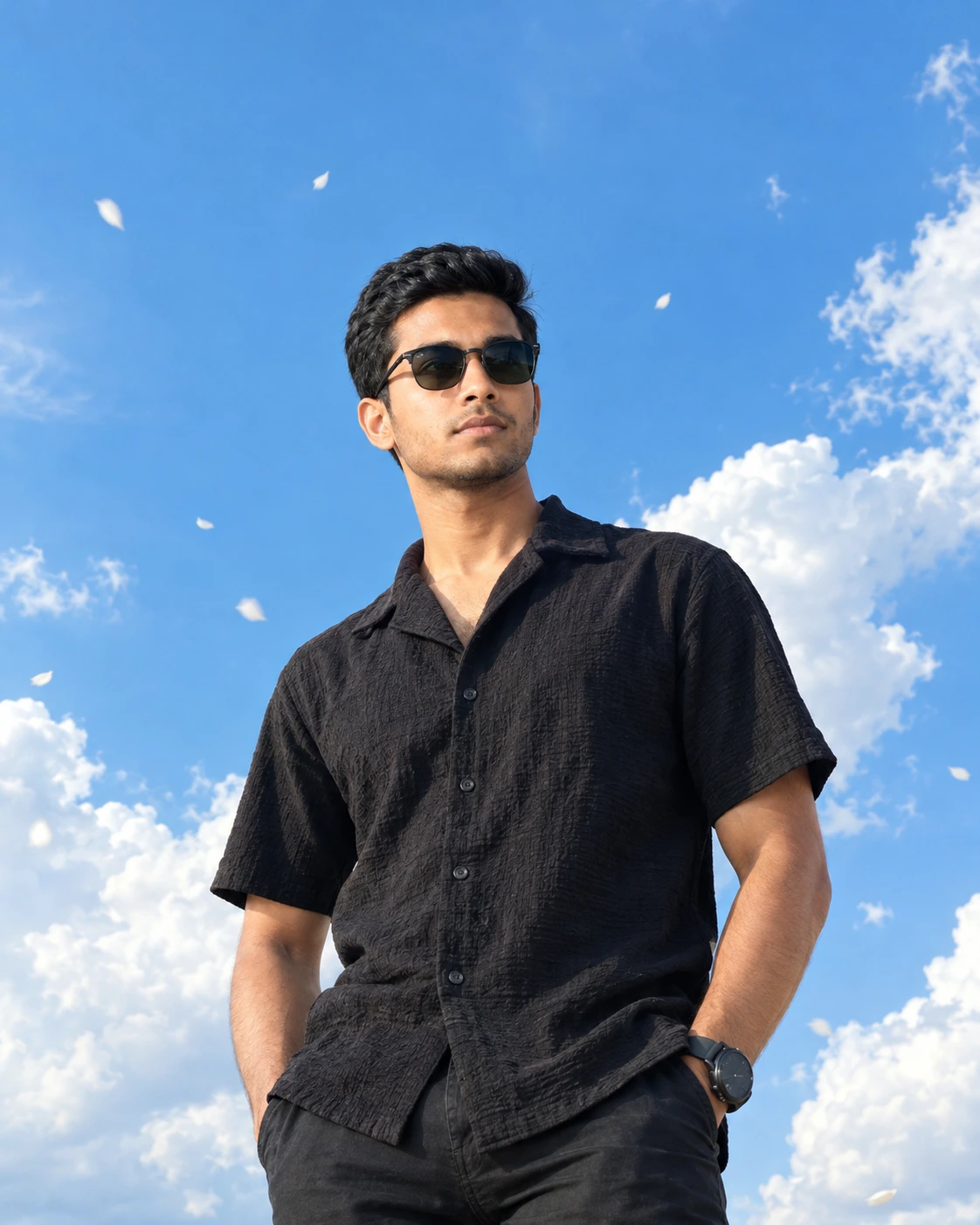
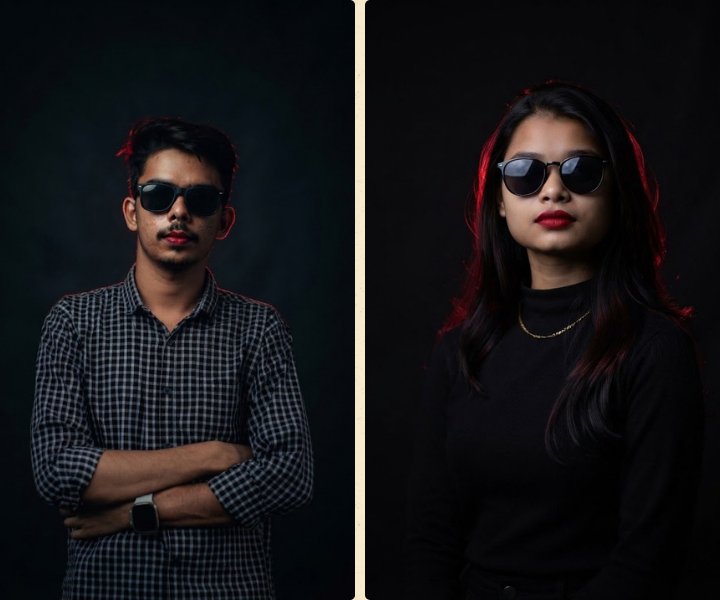
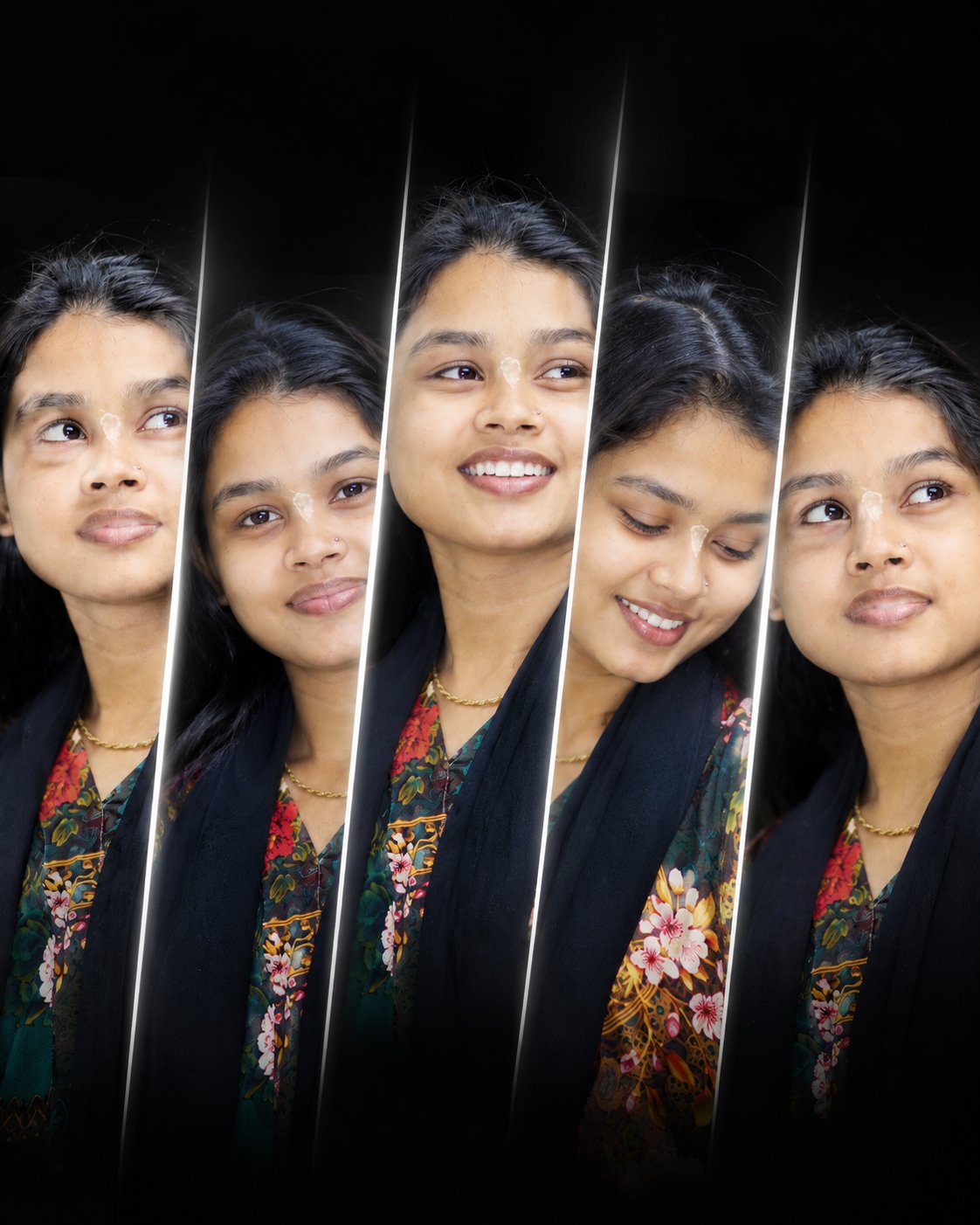
Create a cinematic, photorealistic ocean cliff portrait using this ChatGPT AI image prompt for both men and women. Upload your reference photo to guide the subject’s original facial identity, apparent age, hairstyle, skin tone, and natural body proportions. The scene features a clean left-facing side profile overlooking the open ocean, rugged coastal rocks, deep blue water, natural sea breeze, and realistic outdoor lighting. Detailed instructions help guide facial profile accuracy, natural hair and clothing movement, correct anatomy, and consistent personal accessories while avoiding duplicated glasses and unwanted facial alterations. Explore this VOIZET prompt to create a sophisticated coastal editorial portrait with a clean, natural photographic finish.
📝 Prompt 1
\# WIND-SWEPT OCEAN CLIFF PORTRAIT

\## UNIVERSAL IDENTITY-LOCKED PHOTOREALISTIC PROMPT

\### CLEAN SIDE-PROFILE • CINEMATIC COASTAL EDITORIAL • MALE & FEMALE

\### PRIMARY OBJECTIVE

Create an ultra-realistic, professionally photographed coastal portrait using the uploaded reference photo as the definitive source of the subject's identity and natural physical appearance.

This prompt must work for both male and female subjects. Preserve the subject's original identity, apparent age, gender presentation, facial structure, skin tone, hairline, hairstyle, and natural body proportions.

Transform only the pose, environment, wardrobe, lighting, and photographic composition as necessary to create a dramatic, sophisticated ocean-cliff portrait. The final image must look like a genuine photograph of the same person captured by a professional photographer beside the open sea.

\*\*HIGHEST PRIORITY: PRESERVE THE ORIGINAL PERSON.\*\* Do not redesign, beautify, reshape, or replace the face to achieve the desired profile. The side-profile pose must adapt to the original person's anatomy.

\### 1. POSE, HEAD DIRECTION & CLEAN SIDE PROFILE

Capture a natural, elegant side-profile portrait of the subject facing LEFT toward the open ocean.

\- Position the head in a clear, natural side-profile orientation, approximately 85–95 degrees away from a frontal camera-facing position.
\- The nose, forehead, lips, chin, and gaze must point toward the open sea on the LEFT side of the image.
\- The subject must look out toward the distant ocean horizon, NOT toward the camera.
\- Both eyes must not be artificially forced into view. Show only the eye visibility naturally appropriate for a true side profile.
\- Preserve the original nose shape, nose bridge, nostril contour, forehead slope, lip projection, chin, and jawline.
\- Keep the head, neck, and shoulders anatomically aligned, with no unnatural neck twisting.
\- Angle the body slightly away from the camera, with relaxed shoulders and a calm, thoughtful posture.
\- If a stone railing is naturally available, let one hand rest lightly on it. Otherwise, allow the arm to hang naturally beside the body.
\- Keep the hands anatomically correct, with believable finger placement and natural contact with the railing.
\- Allow the ocean breeze to move the hair and lightweight fabric naturally.
\- Use a medium portrait composition from the waist upward, keeping the complete head, neck, shoulders, and both arms appropriately framed.
\- Maintain sufficient facial detail to make the subject recognizable despite the side-facing angle.
\- Keep the profile clean and unobstructed, without hair, accessories, or clothing unnaturally covering the eyes, nose, lips, or jawline.

The pose must look spontaneous and physically comfortable, as though the subject is quietly contemplating the sea. Avoid a frontal face, a three-quarter face turned toward the camera, an upward-looking pose, or an exaggerated profile.

\### 2. CLEAN FACE & ORIGINAL FACIAL DETAILS

The face must remain natural, clean, sharp, and recognizable.

Preserve the exact recognizable facial characteristics visible in the reference photo, including:

\- Original forehead shape and hairline.
\- Original eyebrow shape and eye structure.
\- Original nose length, bridge, tip, and nostril shape.
\- Original cheek contour and facial fullness.
\- Original lips, mouth shape, and natural lip proportions.
\- Original chin shape and jawline.
\- Original ear shape, size, and position.
\- Original skin tone, texture, and natural facial details.

Do not create a generic side-profile face. Do not sharpen the nose, reshape the chin, exaggerate the jawline, slim the cheeks, enlarge the eyes, or change the natural facial proportions.

If the original face is slender, preserve that slender shape. If it is naturally broad or full, maintain that appearance. The side-profile angle must reveal the same person's authentic facial structure rather than an AI-generated approximation.

Keep the face visually clean and free of rendering artifacts, distorted contours, unnatural shadows, duplicated facial features, and artificial skin smoothing.

If the reference contains facial hair, preserve its original recognizable pattern and appearance. Do not add or remove facial hair unnecessarily.

\### 3. COASTAL CLIFF SCENERY & ENVIRONMENT

Create a dramatic but realistic coastal landscape overlooking the open sea.

Include:

\- A rugged ocean cliff with naturally textured coastal rocks.
\- A deep blue ocean extending toward the distant horizon.
\- Realistic ocean waves and subtle sea spray near the rocks.
\- A pale blue sky with soft, naturally formed clouds.
\- A distant horizon with believable atmospheric perspective.
\- Subtle variations in the ocean's color and surface texture.
\- Natural coastal vegetation where appropriate.
\- A weathered stone railing if it fits the location and composition.
\- A sense of open space, coastal solitude, and quiet adventure.

Keep the sea and coastline physically believable. The subject must appear naturally integrated into the environment, with realistic scale, perspective, and lighting.

Avoid fantasy cliffs, impossible rock formations, excessive sea spray, artificial waves, oversaturated ocean colors, or a background that looks like a digital painting.

\### 4. WIND, HAIR & CLOTHING MOVEMENT

Create a believable sea breeze moving gently across the scene.

\- Let loose hair strands move naturally in the wind.
\- Preserve the original hairstyle, hairline, length, texture, and recognizable hair characteristics.
\- Allow lightweight clothing to move subtly with the breeze.
\- Maintain realistic fabric folds and natural garment tension.
\- Keep the face sufficiently unobstructed to show the original side profile clearly.
\- Ensure hair movement follows a consistent and physically plausible wind direction.
\- Avoid excessively flying hair, unnatural fabric shapes, or dramatic wind effects that obscure the face.

The wind should enhance the coastal atmosphere without changing the subject's identity or making the image appear artificially staged.

\### 5. WARDROBE & COASTAL STYLING

Choose a refined, practical, age-appropriate outfit that suits the subject's original gender presentation and natural physique.

Suitable options include:

\- A dark textured overshirt.
\- A lightweight charcoal or muted-blue jacket.
\- A simple coastal shirt.
\- A cream, stone-gray, or sand-colored outer layer.
\- A tasteful, flowing neutral garment appropriate to the subject.

Select clothing that complements the cool ocean tones and creates a sophisticated outdoor editorial aesthetic.

Preserve the original body's shape and proportions. Clothing must fit naturally without broadening the shoulders, enlarging the torso, slimming the waist, or changing the subject's silhouette.

Use realistic fabric textures, natural seams, believable folds, and subtle movement caused by the wind.

Preserve identifiable original accessories where applicable, including watches and bangles. Do not add unnecessary jewelry or duplicate accessories.

\### 6. GLASSES & SUNGLASSES CONTROL — STRICT SINGLE-PAIR RULE

The default final image must be free of glasses and sunglasses unless eyewear is explicitly requested.

\- If sunglasses are specifically requested and the reference contains a pair on the eyes, forehead, or top of the head, use that same original pair on the eyes only.
\- If the reference contains prescription glasses and sunglasses are not requested, preserve the original prescription glasses only when they are intended to remain part of the final styling.
\- If glasses are on the forehead or head and eyewear is not requested, remove them completely and cleanly.
\- Never create a second pair of glasses.
\- Never place one pair on the eyes and another on the head, forehead, hair, neck, or clothing.
\- Never duplicate frames, lenses, temples, or reflections that resemble an additional pair.
\- Do not invent new eyewear or replace the original pair with a different design without an explicit request.

\*\*FINAL RULE: EITHER NO EYEWEAR OR EXACTLY ONE PAIR. NEVER DUPLICATE GLASSES.\*\*

\### 7. IDENTITY LOCK — HIGHEST PRIORITY

Use each uploaded reference photo as the definitive identity source for the corresponding person. Carefully analyze the original appearance and reproduce the same recognizable individual. Preserve the original male and female identities independently when multiple reference photos are provided. Observe every detail in the reference image carefully—such as the nose, ears, mouth, jawline, neck, hair, limbs, and body. If the face in the reference image is slender, ensure the output reflects that same slender shape; if the face or jawline is broader, maintain that appearance accordingly. If the arms in the reference image are slender, keep them that way—do not add any extra bulk or flesh. Conversely, if the limbs in the reference image are fuller, replicate them exactly in your output.

Pay close attention to the height shown in the reference image and maintain that same proportion; do not alter the height by making the figure taller or shorter. In short, if the subject in the reference image appears to be 18 years old, ensure the output reflects that same age. Whether the subject appears to be 15, 18, 22, or 30 years old, preserve that original age and height—do not attempt to add any artificial features or unnecessary elements, The hands and feet in the reference photo must remain exactly as they appear in the original. If a watch is present, the original watch must be kept. Similarly, if a woman is wearing bangles, those same original bangles must be included. Do not add any extra teeth—under no circumstances should you include any AI-generated teeth. Carefully examine the original teeth and ensure that the output reflects those exact, original teeth. In other words, the original teeth must be preserved throughout.

\#### ADDITIONAL IDENTITY-PRESERVATION REQUIREMENTS

\*\*A. EXACT ORIGINAL FACIAL IDENTITY\*\*

Preserve the same recognizable person, including their forehead, hairline, eyebrows, eyes, nose, cheeks, lips, mouth, jawline, chin, ears, and facial proportions.

The side-profile view must be a natural rotation of the original face, not a newly generated face with similar characteristics.

Do not replace, reconstruct, beautify, or redesign the face. Avoid identity drift caused by the new camera angle, lighting, or environment.

\*\*B. ORIGINAL AGE & NATURAL APPEARANCE\*\*

Preserve the subject's original apparent age, skin characteristics, and natural appearance.

Do not make the subject younger or older. Do not add artificial wrinkles, remove natural age-related details, introduce unnecessary facial hair, or change the subject's original gender presentation.

\*\*C. ORIGINAL BODY SHAPE & HEIGHT PROPORTIONS\*\*

Maintain the original body build, shoulder width, neck proportions, torso shape, arm thickness, wrist size, waist, hips, and overall silhouette.

Do not add artificial body bulk, remove natural fullness, exaggerate muscles, or make the subject appear taller or shorter.

Use camera framing and perspective naturally without changing the person's underlying proportions.

\*\*D. ORIGINAL HANDS, FINGERS, FEET & LIMBS\*\*

Preserve the recognizable appearance and proportions of the original hands, arms, and other visible body parts.

If a hand rests on a stone railing, ensure the fingers are naturally positioned and the hand makes believable contact with the surface.

Do not create extra fingers, missing fingers, fused fingers, malformed hands, distorted wrists, duplicated arms, or unnatural joints.

If the feet are outside the frame, do not artificially expand the composition simply to invent details. If they are visible, preserve natural anatomy and realistic proportions.

\*\*E. ORIGINAL TEETH, MOUTH & EXPRESSION\*\*

Preserve the original mouth shape, lip proportions, visible teeth, and natural expression as faithfully as the reference permits.

For a clean side profile, the mouth should remain relaxed and naturally closed unless the reference and intended expression clearly support a slightly open mouth.

Do not force a smile, expose extra teeth, generate artificial dental details, or replace the original teeth with a generic perfect smile.

If teeth are visible in the reference, preserve their recognizable appearance as closely as possible.

\*\*F. ORIGINAL HAIR, HAIRLINE & SKIN\*\*

Maintain the original hairstyle, hairline, hair texture, and natural skin tone.

Wind may move the hair, but must not change the hairstyle into a different cut or alter the hairline.

Preserve natural skin texture and realistic pores. Do not whiten the skin, excessively smooth the face, create plastic skin, or change the underlying complexion.

\*\*G. ORIGINAL WATCH, BANGLES & ACCESSORIES\*\*

Retain the original watch if present. Preserve the original bangles if worn, as well as other recognizable accessories where possible.

Do not duplicate, replace, or invent personal accessories.

Apply the strict single-pair eyewear rule independently of other accessories.

\*\*H. MULTIPLE REFERENCE PHOTOS\*\*

When multiple reference photos are provided, preserve each corresponding person's identity independently.

Do not mix facial features, body proportions, hairstyles, skin tones, or accessories between different people.

Each subject must remain recognizable as the individual shown in their own reference photo.

\*\*I. SIDE-PROFILE GEOMETRY & FACIAL ACCURACY\*\*

The head must face left toward the ocean. The nose and gaze must point toward the sea, not toward the camera.

Maintain a natural alignment between the forehead, nose, lips, chin, and jawline. Preserve the original facial profile without artificially projecting the nose, reducing the chin, or changing the jaw angle.

Do not turn the face into a three-quarter view merely to make both eyes visible. Do not rotate the eyes independently from the head. Avoid twisted necks, distorted ears, asymmetric facial artifacts, or unnatural facial contours.

\*\*J. MINIMAL AND CONTROLLED TRANSFORMATION\*\*

Change only the elements necessary to create the coastal setting, side-profile pose, wardrobe, wind movement, and professional photographic atmosphere.

If a facial detail is hidden or unclear in the reference, avoid inventing a distinctive replacement. Favor conservative, natural rendering that preserves the person's existing identity.

The original person must remain the visual priority throughout the transformation.

\### 8. CAMERA, LIGHTING & IMAGE QUALITY

Use a professional 85mm portrait-lens aesthetic with a natural perspective and refined editorial composition.

\- Medium waist-up framing.
\- Sharp, recognizable side-profile facial details.
\- Realistic depth of field.
\- Natural daylight with subtle cinematic contrast.
\- Cool blue ocean tones balanced with accurate skin colors.
\- Realistic shadows along the cheek, nose, lips, and jaw.
\- Detailed hair strands and natural fabric texture.
\- Physically consistent light across the face, body, rocks, and ocean.
\- Natural atmospheric depth and realistic coastal details.
\- High-resolution photographic quality without artificial sharpening.

The face must remain clean and readable, with no rendering defects, warped facial contours, artificial skin, duplicated features, or unnecessary visual clutter.

\### 9. STRICT NEGATIVE CONSTRAINTS

No face replacement, no identity drift, no different person, no facial redesign, no age alteration, no artificial beautification, no altered nose, no reshaped jawline, no changed chin, no enlarged eyes, no artificial facial symmetry, no incorrect side profile, no frontal pose, no gaze toward the camera, no upward-looking pose, no twisted neck, no distorted ears, no artificial skin whitening, no plastic skin, no excessive retouching, no invented teeth, no extra teeth, no duplicated teeth, no forced smile, no malformed hands, no extra fingers, no missing fingers, no fused fingers, no distorted limbs, no altered body proportions, no duplicate watch, no duplicate bangles, no duplicate glasses, no multiple pairs of sunglasses, no floating accessories, no unnatural wind, no excessive flying hair, no unrealistic clothing folds, no fantasy landscape, no artificial ocean, no oversaturated colors, no cartoon effects, no CGI appearance, no text, no logos, and no watermark.

\### FINAL GENERATION INSTRUCTION

Generate a clean, natural, ultra-realistic side-profile coastal portrait of the same individual shown in the uploaded reference photo.

The subject must face LEFT toward the open ocean, with the head, nose, and gaze directed toward the sea rather than the camera. Preserve the original facial profile, apparent age, hairline, skin tone, natural physique, body proportions, hands, teeth, and identifiable personal accessories as faithfully as the reference permits.

Create a believable rugged ocean-cliff environment with deep blue water, natural sea spray, soft daylight, realistic wind movement, and premium outdoor editorial photography.

Prioritize facial identity and clean profile geometry over dramatic effects. Do not artificially redesign the face to achieve the pose. Never duplicate eyewear or accessories.

The final image should look like a genuine professional photograph of the same real person quietly looking out over the ocean, with authentic anatomy, natural lighting, a clear side profile, and no unnecessary changes to their original appearance.

**FINAL RULE: SAME PERSON. SAME ORIGINAL IDENTITY. CLEAN LEFT-FACING PROFILE. NATURAL COASTAL WIND. ZERO DUPLICATE GLASSES. NO UNNECESSARY FACIAL OR BODY ALTERATIONS.**
Use this prompt :
ChatGPT
How to Use This Prompt
How to Use in ChatGPT
Step 1: Open ChatGPT and enter a chat where image generation is available.
Step 2: Upload a clear, high-quality input photo. For the cleanest result, choose an image with a sharp, unobstructed face, natural lighting, and visible facial details. Avoid blurry, heavily filtered, or very low-resolution photos.
Step 3: Copy and paste the complete Wind-Swept Ocean Cliff Portrait prompt into the same chat.
Step 4: Ask ChatGPT to generate the edited portrait using your uploaded photo as the identity reference. The subject should face LEFT toward the ocean, with a natural side profile and a realistic coastal background.
Step 5: Inspect the generated image carefully. Check facial details, the nose and jawline, skin texture, hairline, hands, accessories, and glasses. If you notice blur or visual artifacts, ask ChatGPT to correct those specific issues while keeping the original person unchanged.
Tips for a Cleaner Image
Use the clearest original photo available. Request sharp facial details, natural skin texture, realistic anatomy, balanced lighting, and no unnecessary retouching.
If the first result contains errors, request a focused correction rather than regenerating the entire scene with vague instructions.
Important: This prompt is designed for ChatGPT image generation only. A clean result and close identity preservation are goals, not guaranteed outcomes. Always inspect the final image before publishing or using it.